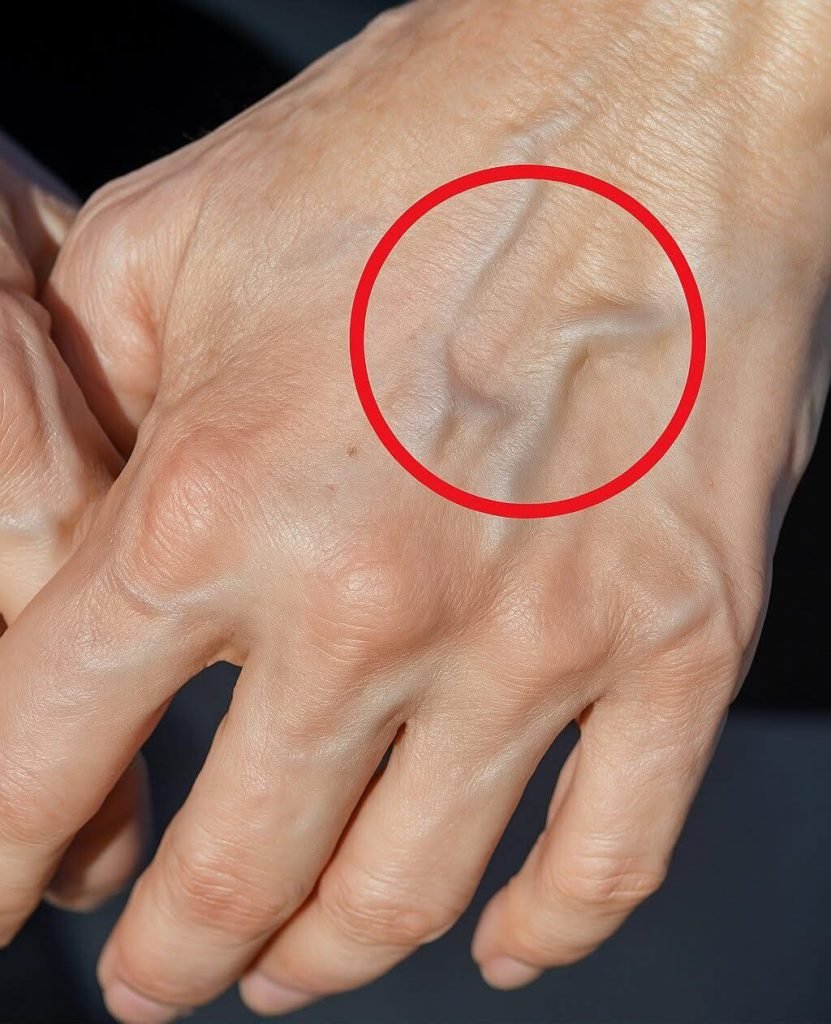
Visible or bulging veins are not automatically a sign of illness. In many cases, they are simply a reaction to normal changes in the body. Even so, understanding why veins stand out can help you recognize situations where it may be time to speak with a doctor.
What Makes Veins Stand Out?
There are several everyday factors that can make veins look more pronounced, including:
• High-intensity physical activity that increases blood flow
• Getting older, as skin becomes thinner and loses elasticity
• Warm environments that dilate blood vessels
• Tight or restrictive clothing that interferes with circulation
• Hereditary traits and naturally thin skin
• Excess body weight that adds pressure to blood vessels
• Repeated sun exposure that weakens skin structure
In these situations, the appearance of veins is often harmless and temporary.
When Veins Become a Medical Concern

Veins are responsible for returning blood to the heart. If the vein walls weaken or valves malfunction, blood may begin to collect instead of flowing efficiently. This can lead to enlarged and twisted veins, commonly known as varicose veins. They are most frequently seen in the legs, although they can also develop in the arms or other areas.
More noticeable veins can also be linked to certain medical conditions, such as:
• Phlebitis, where inflammation causes pain and swelling
• Chronic venous insufficiency, which can make the legs feel heavy or achy
• Deep vein thrombosis, a serious condition involving blood clots
• In rare cases, vascular changes related to liver disease or other organ issues
Additional Symptoms to Watch For
Changes in vein appearance combined with other signs may indicate a problem. Examples include:
• Persistent or unexplained swelling
• Areas of skin that feel unusually warm or tender
• Redness or discoloration spreading around the vein
• Veins forming new, unusual patterns on the chest or abdomen
If several of these symptoms occur together, medical evaluation is recommended.
When to Contact a Healthcare Professional

You should consider seeking guidance if:
• Veins suddenly become visible without an obvious trigger
• There is consistent discomfort, cramping, or throbbing
• The surrounding skin changes in color or texture
• You have a history of circulation problems or clotting disorders
• You want clarity or reassurance about what you are noticing
Consulting a specialist can provide peace of mind and help you understand whether treatment is needed or lifestyle adjustments are enough.
Final Takeaway
More visible veins are often simply part of how the body reacts to heat, exercise, age, or genetic traits. They are not always a sign of disease. However, unexplained changes or discomfort should not be ignored. Paying attention to your body’s signals is an effective way to protect your vascular health and catch potential issues early.