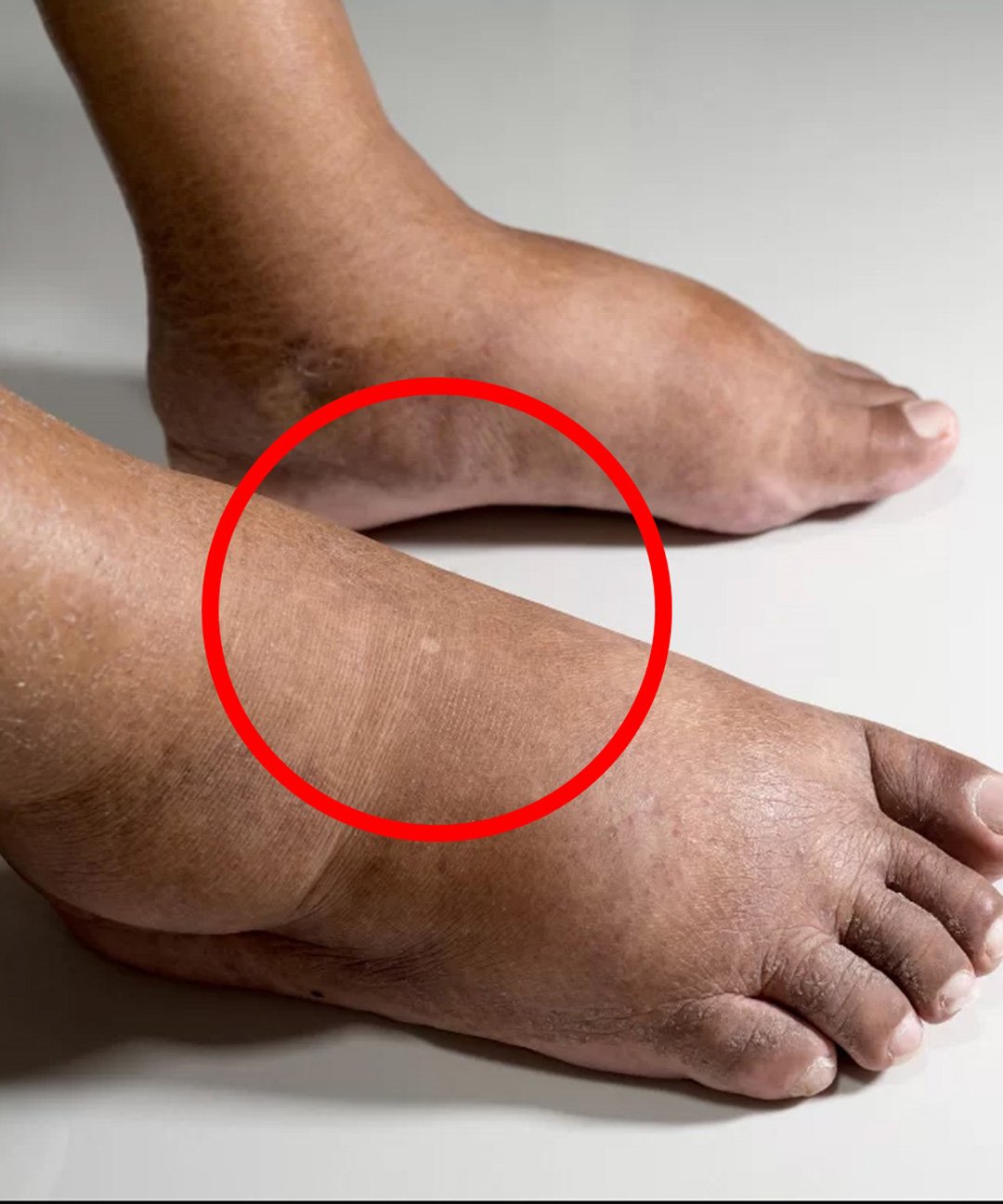
Have you ever taken off your shoes in the evening and felt as if your feet had suddenly grown a size larger? Many people experience this sensation after a long day. Shoes feel tighter, the skin may seem stretched, and walking becomes slightly uncomfortable. Although this feeling can be unpleasant, it is usually linked to temporary factors and can often be relieved with simple care and small lifestyle adjustments.
Feet swelling during the day is commonly related to fluid accumulation in the tissues. When circulation slows, fluids may collect in the lower parts of the body, particularly around the feet and ankles. This can happen after standing or sitting for extended periods, such as during long workdays or lengthy travel. Warm temperatures may also contribute, as heat can cause blood vessels to expand and make the sensation of heavy legs more noticeable.
Other factors may include fatigue, diets high in salt, or natural body changes during certain life stages, such as pregnancy. In most cases, the swelling fades once the body has a chance to rest and circulation improves. However, if swelling appears suddenly, is painful, or affects only one foot, it is important to consult a healthcare professional for proper advice.
Plants Traditionally Used for Circulation and Comfort

Many traditional remedies rely on plants known for supporting circulation and providing a soothing sensation for tired feet.
Ginkgo biloba has long been valued in herbal traditions for its potential to support healthy blood flow. It is commonly found in creams or gels designed for leg and foot comfort. When applied with a gentle massage, it may help create a refreshing sensation after a demanding day.
Calendula, often called pot marigold, is appreciated for its soothing qualities. A simple infusion of dried calendula flowers can be used as a warm foot bath. Soaking the feet for about fifteen minutes may help ease tension and create a calming moment at the end of the day.
Butcher’s broom is another plant traditionally associated with leg comfort. It often appears in topical creams designed to support circulation. Massaging such products from the feet toward the ankles may encourage a feeling of lightness.
Chamomile is widely known for its relaxing properties. When used in a warm foot bath, it can turn a simple routine into a soothing evening ritual. Many people enjoy this gentle treatment as a way to unwind after hours of standing or walking.
Ginger, commonly used in cooking, is also valued in herbal traditions for its stimulating qualities. Consuming ginger as part of meals or as a warm infusion may support circulation and contribute to overall vitality.
Witch hazel and horse chestnut are frequently used in lotions or cooling gels intended for tired legs. These plants are often associated with a refreshing sensation and are commonly included in products designed for leg and foot comfort.
Other herbs such as dandelion, rosemary, and turmeric are also widely used in traditional wellness practices. Dandelion is often associated with supporting the body’s natural fluid balance. Rosemary is known for its invigorating qualities, while turmeric is valued for its antioxidant compounds. These ingredients can be enjoyed in teas or incorporated into everyday meals.
A Simple Dandelion Foot Bath to Try at Home

For those who enjoy natural remedies, a dandelion infusion can be used as a gentle foot bath.
Start by infusing one tablespoon of dried dandelion root in about 250 milliliters of hot water for ten to fifteen minutes. After straining the liquid, pour it into a basin large enough for both feet. If necessary, add warm water to reach a comfortable temperature.
Soak your feet in the mixture for fifteen to twenty minutes. Once finished, dry them carefully with a soft towel to prevent moisture from remaining between the toes. Many people find that this simple ritual helps them relax and unwind after a busy day.
Everyday Habits That Help Reduce Swelling
Alongside natural remedies, several daily habits can help maintain comfortable, lighter-feeling feet.
Elevating the legs slightly for a few minutes can encourage blood flow back toward the heart. Regular walking also helps activate circulation in the lower limbs. Staying well hydrated throughout the day supports the body’s natural balance, while choosing shoes that fit properly can prevent unnecessary pressure on the feet.
Another helpful tip is finishing a shower with a brief stream of cool water on the feet and ankles. This simple action may help stimulate circulation and leave the legs feeling refreshed.
Taking care of your feet does not require complicated routines. Often, it is the small, consistent gestures that make the greatest difference. Giving your feet a few minutes of attention each day can restore comfort and create a welcome moment of relaxation at the end of a long day.